
This campaign believes in simple solutions, strong community, and lasting change.

Data Centers: Pumping the Brakes
Kansas should welcome economic development that benefits our communities, but we shouldn't give away the farm to get it. Data centers can bring major investment and expand the local property-tax base, potentially helping ease property taxes for homeowners, especially our elders and veterans (see Property Relief below). These massive facilities also raise serious concerns about water use, electricity demand, noise, infrastructure, public health, and who gets to make decisions that affect our communities. With state incentives offering enormous tax breaks to qualifying projects, we need to make sure local residents come first, not developers. I support a statewide moratorium on new data-center construction while Kansas studies these impacts, establishes strong safeguards, and ensures communities have meaningful local control. Economic growth should make life more affordable and sustainable for Kansans—not leave taxpayers carrying the costs.
Where my opponent has come up short: Voted “Yes” at numerous points in the legislative process to eventually pass Senate Bill 98. This legislation actually incentivizes new data center construction by waiving sales tax on any new project that meets certain criteria for 20 years…
Affordability and Property Taxes: Enough is Enough!
Simplify taxes: make property-tax bills understandable
I'd propose a Kansas Property Taxpayer Bill of Rights:
Require every county property-tax statement to show, in plain language:
total tax owed;
change from the prior year;
change attributable to higher valuation versus higher mill levies;
each taxing authority's share.
Create a single online state portal where taxpayers can see their property valuation, taxing jurisdictions, mill levies, and historical changes.
Require counties to provide a simple explanation of the appeals process with every valuation notice.
Simplify and consolidate Kansas' existing residential property-tax relief programs where possible. Kansas currently has separate Homestead, Tax Freeze, and SAFESR programs.
You shouldn't need a tax lawyer to understand why your property-tax bill went up.
Protect Family Farms and Rural Communities
Agriculture remains the backbone of rural south-central Kansas, and state policy should reflect that. I will prioritize funding for voluntary water conservation programs, repairs to rural roads and bridges, broadband expansion, and veterinary workforce recruitment while protecting private property rights. Rather than creating new bureaucracy, I support directing a larger share of existing state economic development funds toward infrastructure that helps rural businesses and family farms remain competitive. When the state offers tax incentives to large corporations, those incentives should be subject to measurable performance standards so savings from ineffective programs can be redirected to the communities that feed our state.
Keep Rural Healthcare Open
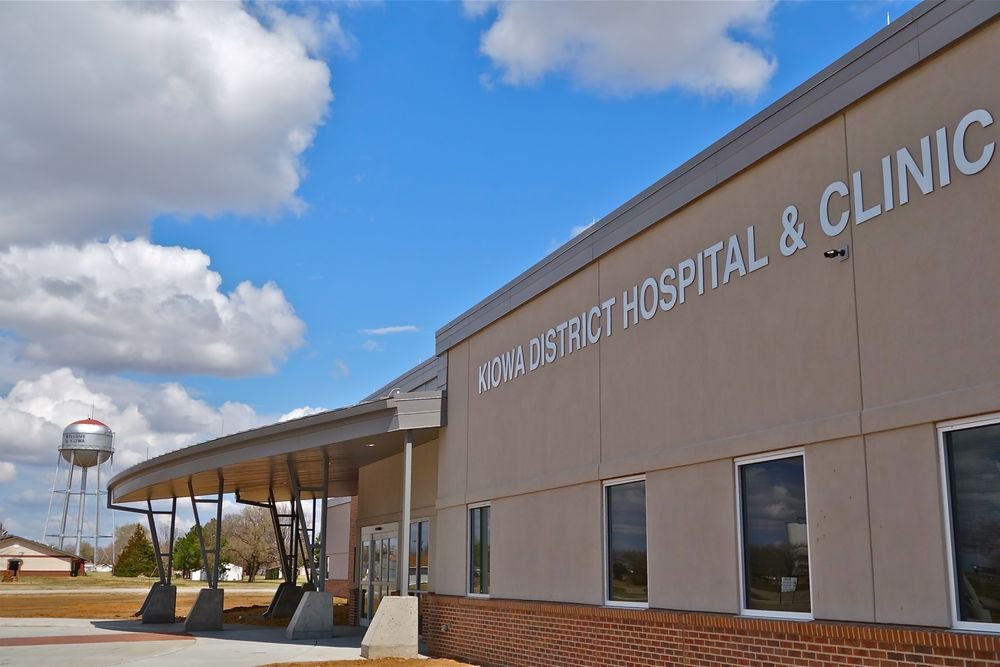
A strong rural healthcare system is essential to the future of southwest Kansas. I will work to strengthen rural hospitals by drawing down available federal healthcare funding to reduce uncompensated care, expanding telehealth, and supporting loan repayment and residency programs that bring physicians, nurses, pharmacists, and mental health professionals to underserved communities. I will support legislation that gives pharmacists and other qualified healthcare professionals greater authority to provide routine preventive services, helping patients access care without increasing state spending. These investments should be funded by capturing federal matching dollars already available to Kansas and by recognizing that preventing hospital closures costs taxpayers far less than rebuilding healthcare infrastructure after it's gone.
Restore Trust Through Accessible, Accountable Government
Government works best when it is transparent, responsive, and accountable to the people it serves. I will hold regular town halls throughout House District 116, publish plain-language explanations of every significant vote I cast, and advocate for legislation requiring stronger public reporting on state spending and economic development incentives. Every new spending proposal should include a clear funding source, measurable goals, and periodic legislative review so taxpayers know whether programs are delivering results. Kansans deserve a government that measures success by outcomes—not by the number of bills passed or dollars appropriated.